Think of the CNA background check as the first, and most important, hurdle you'll clear on your path to becoming a caregiver. It’s a mandatory screening that every aspiring CNA must go through to make sure they're a safe and trustworthy choice for a caregiving role.
State licensing boards and healthcare employers absolutely require it. Why? Because it’s all about protecting vulnerable patients.
Why a Background Check Is Your First Step to Becoming a CNA

Before you can step into a room to care for the elderly, sick, or disabled, your future employer needs to know that their patients are in good hands. This check is the bedrock of patient safety and professional integrity in the healthcare field.
It’s more than just a bureaucratic step; it’s a critical safeguard that upholds the high standards of care everyone expects. In fact, the entire journey of how to become a CNA really kicks off with passing this screening.
This is a standard part of hiring in many industries, and this guide to the pre-employment screening process offers a great overview of how these checks work in general. For a CNA, the screening typically digs into a few key areas:
- Criminal History: They'll look at both state and federal records.
- Nurse Aide Registry Status: This confirms you don't have any findings of abuse, neglect, or misappropriation of resident property.
- License & Certification Verification: They just need to make sure your credentials are real and in good standing.
What a CNA Background Check Actually Looks For
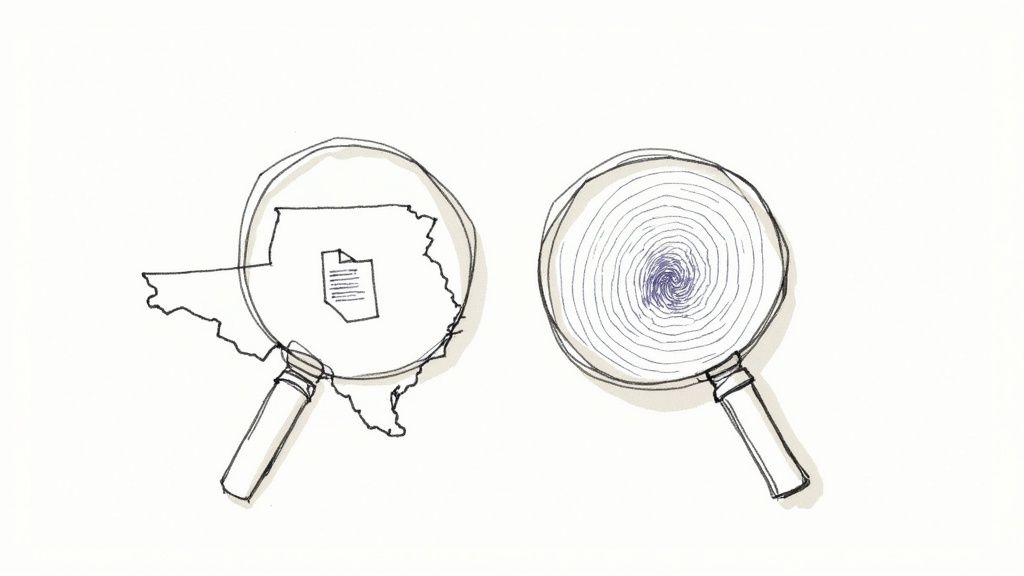
When you hear “CNA background check,” don't picture a single, simple search. It’s actually a deep dive into your history, pulling information from a few different places to make sure you’re a safe and trustworthy person to care for vulnerable patients.
The first stop is usually at the state level. This part of the check scans local criminal records and, just as importantly, combs through the official state Nurse Aide Registry.
The registry check is a big deal. It’s where they look for specific, documented issues like patient abuse, neglect, or theft from residents.
This step is designed to catch any past professional misconduct that would put future patients at risk.
The Federal Level Fingerprint Check
After clearing the state check, the process goes national. This almost always involves getting your fingerprints taken and sent to the FBI. They run your prints against their massive national criminal database to see if anything pops up.
This is a critical part of the process because it catches offenses that might have happened in other states. A clean record where you live now doesn't mean you're clear everywhere, and with patient safety on the line, employers can't afford any blind spots.
In fact, around 80% of healthcare employers now run these comprehensive checks—it’s simply the industry standard. You can find more details about how criminal history impacts CNA roles at CNAAT.org.
What Kind of Offenses Can Disqualify You as a CNA?
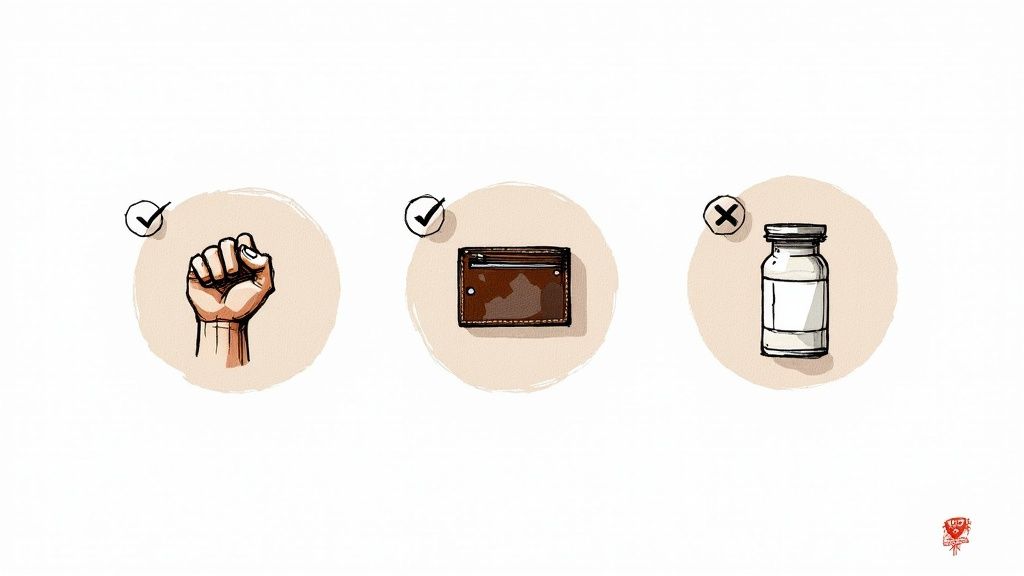
While the specifics of a CNA background check can differ, some offenses almost always raise immediate red flags for state boards and employers. These rules aren't just arbitrary roadblocks; they're in place because being a CNA is a job built entirely on trust and keeping patients safe.
Think about it from a patient's perspective. When a caregiver is responsible for someone who is vulnerable, there can't be any question about their integrity or ability to provide safe care.
At its heart, a background check is trying to answer one crucial question: Does this applicant's history pose any risk to the physical, emotional, or financial well-being of a patient?
Understanding what types of offenses create that risk will give you a much clearer picture of where you stand.
Common Categories of Disqualifying Offenses
Instead of getting bogged down in a giant list of specific crimes, it's more helpful to think in terms of categories. Most states group disqualifying offenses based on the kind of behavior they represent, especially behaviors that are completely at odds with the duties of a caregiver. Here are the major areas of concern:
- Crimes Against Persons: This category includes assault, battery, domestic violence, abuse, neglect, and endangerment. Any history of violence directly contradicts a CNA's primary duty to protect and care for others, making it a major barrier.
- Property & Financial Crimes: Examples include theft, robbery, fraud, forgery, and embezzlement. Because CNAs often have access to patients' rooms, belongings, and sometimes financial information, a record of dishonesty creates a serious risk of exploitation.
- Serious Drug Offenses: This covers manufacturing, distributing, or trafficking controlled substances, as well as the theft of prescription drugs. These offenses raise concerns about judgment, reliability, and the potential for diverting medications from patients who need them.
While every case is unique, a conviction in any of these areas can make it extremely difficult, if not impossible, to become a certified nursing assistant. They represent the kinds of behaviors that are fundamentally incompatible with a career in patient care.
How State Rules Can Change Your Background Check Results
One of the biggest things to understand about CNA background checks is that there’s no single, nationwide rulebook. The standards can change dramatically from one state to another.
This means a past mistake that’s a non-issue in one state could be an automatic deal-breaker right across the border. It all comes down to local laws and what each state's nursing board considers a risk.
Look-Back Periods and Local Laws
A perfect example of this is the "look-back period." This is simply how far back a state will search through your criminal history. One state might only go back seven years for a certain misdemeanor, while its neighbor could have a lifetime look-back for the very same offense.
These differences are tied to specific employment laws and regulations that are unique to each jurisdiction.
The most important thing you can do is never assume the rules are the same everywhere. Always check the official requirements from your state's Board of Nursing or Department of Health before you even start an application.
This patchwork of rules is also why moving can get complicated for CNAs. Our guide on CNA license reciprocity dives deeper into how these background check differences can affect transferring your certification.
Just how much does this vary? Research shows that the percentage of nursing students with findings on their background checks can range from 0.00% to a surprising 13.33%, depending on the program and its location. Read the full research about these findings on PubMed.
What to Do If Something Shows Up on Your Record
Seeing something pop up on your CNA background check can be nerve-wracking, but it doesn't have to be the end of your career goals. It’s not an automatic disqualification. Most states have a path forward for applicants who need to appeal a finding or ask for a waiver.
Typically, this means you'll need to petition your state's Board of Nursing. The key is to build a strong case for yourself by showing clear evidence of rehabilitation. This might include gathering letters of recommendation, showing proof that you've completed counseling, and writing a personal statement that thoughtfully explains the situation.
Being Proactive and Working with Employers
Being upfront about your past is almost always the best strategy. Many employers are willing to look past older, minor offenses, especially when an applicant is honest and can show they've grown since then.
Tackling this head-on during the hiring process can actually build trust and demonstrate your accountability. It's smart to think through how you'll explain things ahead of time. For more tips on this, check out our guide on how to prepare for a CNA interview.
The infographic below breaks down the key questions you need to ask to figure out your state's rules.
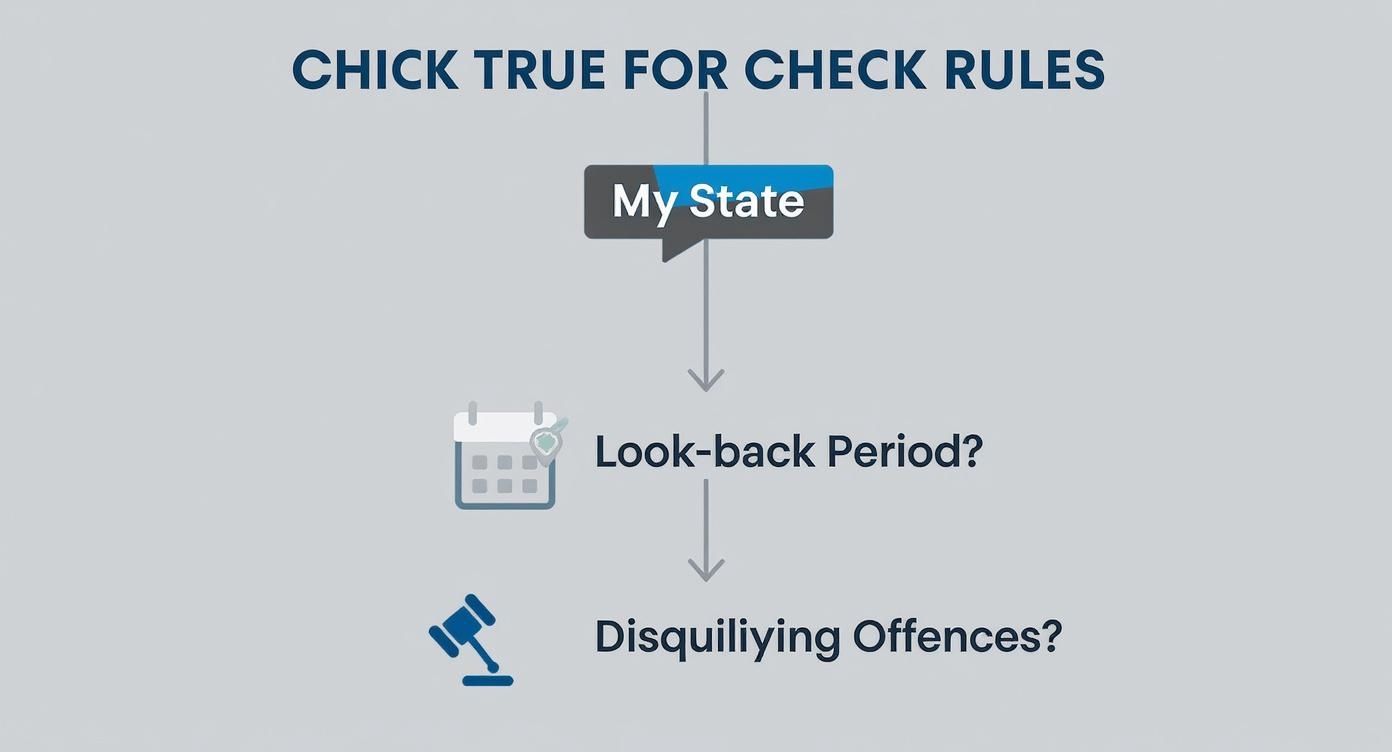
As you can see, the first step is always to understand the specific rules where you live—especially the look-back periods and the official list of disqualifying offenses. Knowing this information will help you figure out where you stand and what you need to do next.
Common Questions About the CNA Background Check
Getting ready for your CNA background check can bring up a lot of questions. Let's walk through some of the most common ones to clear things up.
Probably the biggest question on everyone's mind is, "How long will this take?" It really depends. A simple state-level check might only take a few days. But if you need a federal, fingerprint-based check, be prepared to wait a few weeks. It's smart to get the process started as soon as you can.
Costs, Offenses, and Next Steps
Another big one is cost. Who foots the bill? Sometimes, the employer or training program will cover it, but it's very common for applicants to pay. The fees can vary quite a bit, usually falling somewhere between $20 and $75.
People also worry about past mistakes. What if you have a minor offense on your record? A single, old misdemeanor might not stop you, but it's entirely up to your state’s rules and what the offense was. A speeding ticket is one thing; a theft charge is another.
Don't panic if your background check comes back with a red flag. It's not always the end of the road. You often have the right to appeal the findings, request a special waiver, or even work to get your record expunged.
The need for trustworthy caregivers is huge. In 2022, almost 47% of nursing assistants had a high school diploma or equivalent, which is one reason these checks are so critical for patient safety. You can find more statistics on healthcare worker screening at Clearstar.net.
Here at The CNA Guide, our goal is to give you straightforward, helpful information for your entire career path. Whether you're choosing a school or trying to understand state rules, we're here to help. Check out all our resources at https://thecnaguide.com.