You already have a degree. You may have a solid career too. But nursing keeps pulling at you, and then you open an ABSN admissions page and feel buried under course names, grade rules, labs, deadlines, and paperwork.
That reaction is normal.
Most career changers don't struggle because they're incapable. They struggle because accelerated nursing program prerequisites are presented as a list instead of a plan. A list feels heavy. A plan feels workable. Once you know what belongs where, what can be done in parallel, and what matters most, the process gets much easier to manage.
Think of prerequisites as proof that you're ready to learn fast, handle science-heavy material, and step into clinical training without trying to build the foundation at the same time. They aren't random hoops. They're the ramp into a demanding program.
Your Path from a Different Career to a Nursing Degree
A typical reader in this position looks a lot like this: you have a bachelor's degree in business, psychology, education, communications, or another non-nursing field. You've done real work. You've paid bills. You may even be raising a family. Now you're trying to figure out how to pivot into nursing without spending years starting over.
That makes an accelerated path appealing, but the admissions process can feel oddly backward. You know your long-term goal. What slows you down is the short-term question: "What exactly do I need before I can even apply?"
The answer usually starts with a transcript review and a gap list. Some of your previous credits will count. Some won't. A few may count at one school and not at another. That's why the smartest first move isn't signing up for random science classes. It's getting organized.
If you're still deciding whether this kind of move makes sense for your life stage, this US career change guide for experienced professionals gives helpful perspective on making a practical mid-career shift. If you already know healthcare is the direction you want, this overview of a career change to healthcare can help you place nursing within the bigger picture.
Start with your actual transcript, not your memory of college. Admissions offices evaluate course titles, labs, grades, and dates very literally.
What makes ABSN prerequisites feel confusing
The confusion usually comes from four places:
- Old coursework: You took biology years ago, but you're not sure whether it's still acceptable.
- Different school rules: One program wants chemistry with a lab. Another may phrase it differently.
- Competitive grading: Meeting the minimum doesn't always mean you'll feel competitive.
- Timing pressure: You want to move fast, but one missing class can push your start date back.
A better way to think about the process
Instead of asking, "What are all the prerequisites?" ask these three questions:
- What have I already completed that may transfer?
- Which required courses are missing or too old?
- What order gets me application-ready soonest without hurting my grades?
That's the mindset admissions advisors use when they help applicants map a start date. You don't need to solve everything at once. You need a sequence.
Decoding the Core Course Requirements
Most ABSN programs ask for a familiar cluster of courses. Across major U.S. programs, a core set of 7 to 10 prerequisite courses is universally required, with science prerequisites making up 60 to 70 percent of the total credits and typically totaling 20 to 30 semester hours, according to Northeastern University's ABSN prerequisites page. That same page also shows examples of common non-science requirements such as Statistics, Developmental Psychology, Nutrition, and Social or Behavioral Sciences.
The science courses that do the heavy lifting
These are the classes that usually carry the most weight in an ABSN review.
Anatomy and Physiology I and II
Think of anatomy as the map of the body and physiology as the owner's manual. You learn what structures exist, where they are, and how they work together. Nursing school uses this foundation constantly.Microbiology
This course helps you understand infection, contamination, and how microorganisms affect patient health. It matters when you're learning wound care, isolation precautions, and medication-related risks.Chemistry
Chemistry supports later understanding of fluids, electrolytes, medications, and body processes. Even if you never loved chemistry, nursing faculty want to know you can work through scientific reasoning.
The supporting courses that matter more than applicants expect
Applicants sometimes treat these as side requirements. They aren't.
- Statistics teaches you how to think with data, trends, probability, and evidence.
- Developmental Psychology helps you understand how people change across the lifespan.
- Nutrition matters because healing, chronic disease management, and patient teaching all connect back to food and metabolism.
- Social or Behavioral Science supports communication, context, and patient-centered care.
Practical rule: If a course helps you understand the body, behavior, or evidence, it's probably there for a direct nursing reason.
A quick way to sort your own transcript
Use this three-bucket approach:
- Already complete and likely current
- Complete but possibly too old or missing a lab
- Not taken yet
That simple sort saves time. It also prevents a common mistake: retaking a course you may not need, while ignoring one you do.
Typical science prerequisites for ABSN programs
| Course | Typical Credits | Includes Lab? |
|---|---|---|
| Anatomy and Physiology I | 3 to 4 | Usually yes |
| Anatomy and Physiology II | 3 to 4 | Usually yes |
| Microbiology | 3 to 4 | Usually yes |
| Chemistry | 3 to 4 | Often yes |
One point that catches people off guard
Course titles don't always match neatly across schools. "Human Biology" may not replace Anatomy and Physiology. "Intro Stats" may work at one school and not another if the content doesn't align. That's why unofficial self-matching is risky. Send syllabi if a program requests them and let admissions decide.
Meeting GPA, Testing, and Academic Standards
Grades matter in every nursing application, but in accelerated programs they carry extra weight because the pace is so compressed. A school isn't only asking whether you can pass a course. It's asking whether you can keep up when several demanding courses land at once.
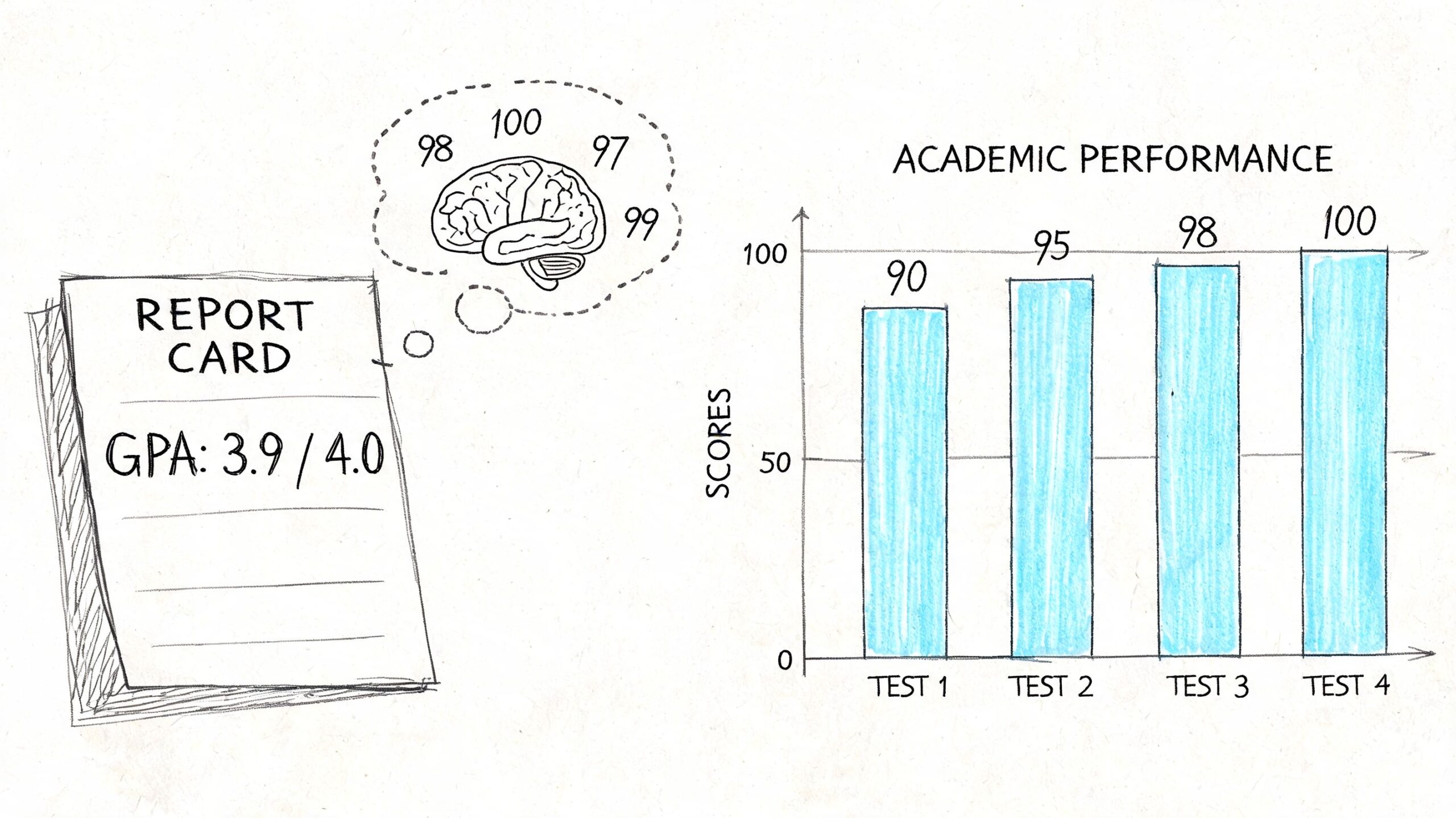
Admissions data summarized by NurseJournal's accelerated nursing programs guide shows that 90% of accelerated nursing programs require at least a 3.0 undergraduate GPA. The same source notes that BSN-level accelerated programs are typically 11 to 18 months long and have acceptance rates between 40% and 60%.
What a minimum GPA really means
A minimum is the floor, not the target.
If a program says 3.0, that means your application can be considered. It doesn't mean every admitted student had a 3.0. Competitive review often becomes more favorable when your recent coursework, especially science coursework, shows a strong upward trend and solid grades.
That matters for career changers who had a rough semester years ago. Old grades don't disappear, but recent performance can tell a stronger story about who you are now.
How schools read your academic record
Admissions teams usually notice patterns before they notice explanations.
- Consistent science performance signals readiness for an intense curriculum.
- Repeated withdrawals or drops may raise questions about scheduling, stamina, or support.
- Strong recent grades can help offset weaker older coursework.
- In-progress prerequisites are often acceptable, but they create a timeline risk if too many remain.
If your transcript is mixed, your strategy isn't to apologize for it. Your strategy is to produce a clear, recent record of strong work.
What about TEAS or other entrance testing
Some schools also use readiness exams such as the ATI TEAS. Others may require interviews or additional screening. The point of these requirements is simple: faculty want evidence that you can absorb material quickly and apply it under pressure.
If a program requires a test, don't treat it like a minor side task. Build study time for it the same way you'd build time for a class final. A rushed test score can weaken an otherwise solid file.
Gathering Your Essential Documentation and Experience
Many applicants focus so hard on coursework that they forget admissions is also checking whether you look prepared for clinical training. That means documentation matters. It also means your prior healthcare exposure can matter more than generic application advice suggests.
The paperwork that tends to slow people down
Programs often ask for items such as immunization records, CPR certification, background screening, and other compliance documents before enrollment or clinical placement. These requirements can vary, but the pattern is the same: schools want students who can move into patient settings without last-minute scrambling.
Treat these items like project tasks, not errands. Start a digital folder. Save PDFs. Track expiration dates. If you wait until after admission, paperwork can become the bottleneck.
A simple system helps:
- Create one admissions folder for transcripts, syllabi, IDs, and certifications
- Keep a deadline sheet with application dates and compliance steps
- Save every confirmation email from schools and testing platforms
Why CNA experience can be a hidden advantage
This is the part many applicants underestimate.
Some ABSN programs value direct patient care because it shows you've already seen the pace, physical demands, and emotional reality of healthcare. One example cited in a review of ABSN prerequisites notes that CU Anschutz explicitly prefers at least 500 hours of direct patient care experience such as CNA or EMT work, and that students with CNA experience have shown 15% to 20% better completion rates in accelerated tracks, as discussed in this ABSN prerequisites overview.
That doesn't mean every school requires healthcare experience. It means experience can strengthen your application and your adjustment to nursing school.
Applicants with hands-on care experience often write better personal statements because they understand what patient care actually feels like.
How to present healthcare experience well
Don't just list "CNA" on a resume and move on. Show what the work taught you. Admissions readers respond to specifics like patient communication, teamwork, observing changes in condition, and comfort with basic care tasks.
If you need help shaping that into application language, this guide on how to build your nursing student resume can help you frame experience clearly. If you're still exploring that route, this step-by-step article on how to become a CNA gives a practical starting point.
Experience isn't only about admissions
CNA work also helps you test your fit for nursing before you invest in prerequisites and tuition. You learn whether you can handle close patient contact, shift work, and the emotional side of caregiving. That's useful information, whether it confirms your decision or helps you reconsider early.
How to Complete Prerequisites Quickly and Efficiently
Speed matters, but speed without planning creates expensive detours. The fastest route is rarely "take everything at once." It's usually "take the right courses, in the right order, through providers your target schools will accept."
A strong plan begins with your target programs, not with whatever class happens to have open seats.
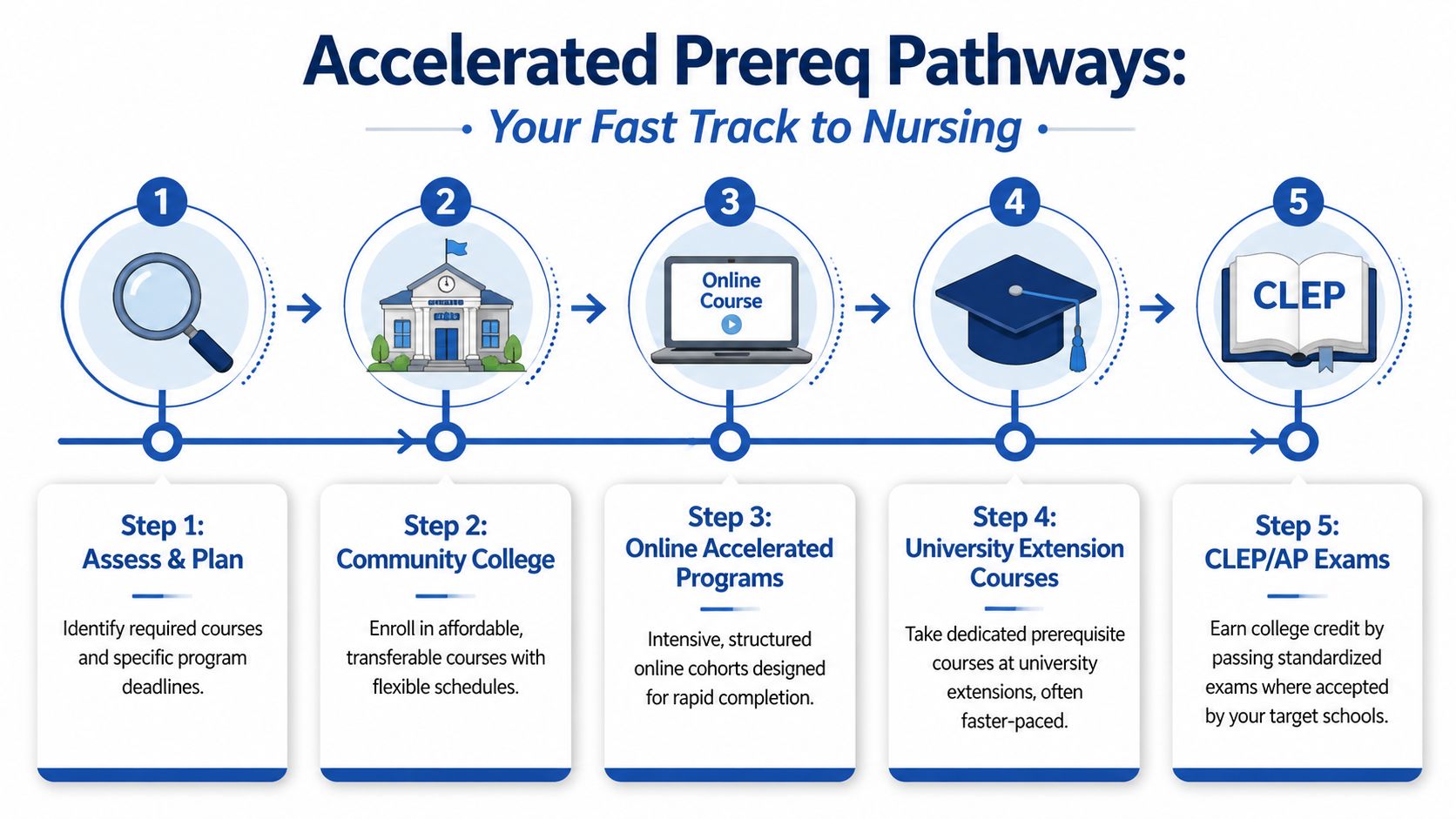
Choose the pathway that fits your timeline
Most applicants use one of these routes:
Community college
This is often the most affordable option and widely accepted. It works well if you need labs, evening schedules, or a slower build.University extension or continuing education
These courses can be convenient for career changers who want a more direct prerequisite pathway and a calendar designed around adult learners.Online accelerated prerequisite providers
These can move quickly and offer flexibility, but you need to verify acceptance with each ABSN program before enrolling, especially for lab sciences.A mix of formats
Many applicants combine a local lab science with online non-science courses to keep momentum without overloading one term.
Sequence matters more than people expect
A smart sequence reduces stress and improves grades.
- Start with transcript review and school list: Don't enroll blind.
- Place science courses carefully: If chemistry feels weak, take it before stacking harder science work.
- Pair one demanding class with one lighter support class: For example, Anatomy and Physiology with Developmental Psychology can be more manageable than two lab sciences together.
- Protect your GPA: A slower term can be faster overall if it keeps you competitive.
Admissions mindset: One extra term with stronger grades is often better than a rushed schedule that produces weak science marks.
A lot of students also forget to align course completion with application deadlines. A class that ends after transcript submission may not help for that cycle, even if you're almost finished.
The video below gives another practical look at getting prerequisite planning into motion.
A sample planning method that works well
Try this approach:
- Month 1
Gather transcripts, identify target schools, and confirm accepted prerequisites. - Next phase
Enroll in missing non-science courses or one foundational science if you're returning to school after a long break. - After that
Add remaining lab sciences once your study rhythm is back. - Final stretch
Leave room for testing, transcript requests, and application writing.
The key isn't doing everything fast. It's avoiding wasted motion.
Navigating Program Variations and Special Cases
Two schools can both offer accelerated nursing pathways and still evaluate your prerequisites very differently. That's where applicants get into trouble. They assume one checklist applies everywhere.
It doesn't.
The recency rule can change everything
Some programs accept older coursework more readily than others. According to Pace University's accelerated nursing admissions requirements, Pace University and Rutgers use a 10-year science recency window, while SUNY Downstate and Madonna University use a 7-year window. The same source explains the reasoning: foundational science knowledge can fade over time, and that can affect performance in a compressed curriculum.
If you took Anatomy and Physiology years ago, don't assume it's fine just because it appears on your transcript. The date may matter as much as the grade.
Other differences worth checking early
Use this short comparison lens when reviewing schools:
- Lab format: Some schools prefer or require in-person wet labs over virtual labs.
- Grade rules: One program may accept a C, another may expect a B- in prerequisite sciences.
- Application timing: A school may allow some courses in progress, while another may want most of them done before review.
- International or out-of-state coursework: Transfer review can take longer and may require extra documentation.
If you're comparing delivery formats too, this guide to accelerated online nursing programs can help you think through how program structure affects your prerequisite strategy.
What to do if your situation is unusual
If you have old sciences, pass/fail coursework, foreign transcripts, or mixed lab formats, ask the school directly before enrolling in replacements. Send concise questions. Include course title, term, credit hours, and whether a lab was included.
That small step can save a lot of money.
A prerequisite only helps if your target program accepts it in the form you completed it.
Your Application Checklist and Next Steps
At this point, the goal is simple. Turn a vague ambition into a tracked project.
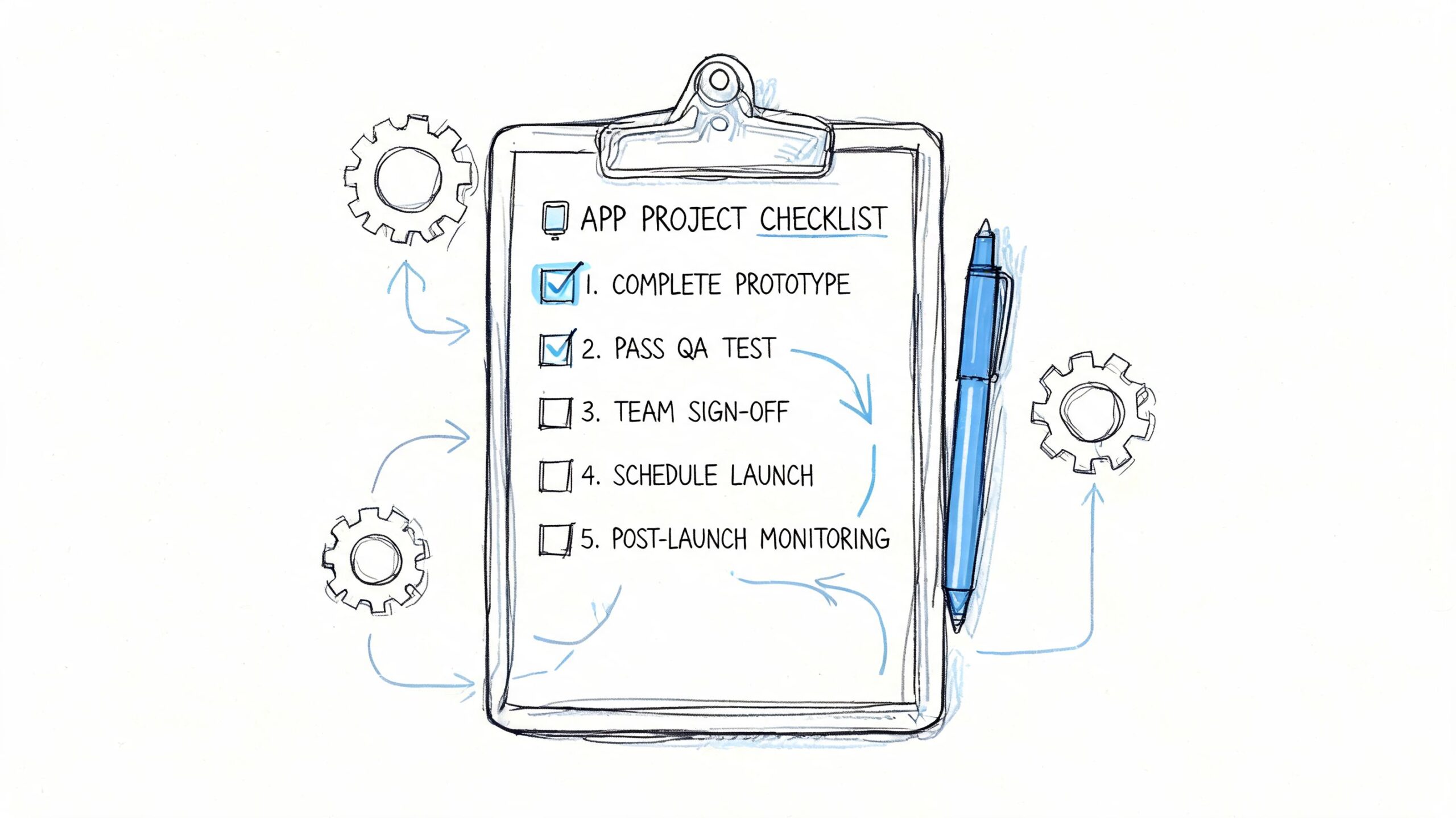
Phase one for academic planning
Start with what schools can evaluate.
- Pull every college transcript and list completed courses
- Match your coursework to each target program
- Flag anything outdated, missing, or unclear
- Build a term-by-term plan that protects your GPA and fits deadlines
Phase two for readiness documents
Don't leave these until the end.
- Set up one secure file system for records and confirmations
- Track compliance items such as CPR, health forms, and background requirements
- Keep copies of syllabi for courses that may need review
- Note expiration dates so nothing lapses at the wrong time
Phase three for strategic application work
At this point, thoughtful applicants separate themselves.
- Choose a short list of target schools that fit your timeline and course history
- Write down every deadline including transcript and test deadlines
- Decide how you'll present your experience if you've worked as a CNA, EMT, medical assistant, or in another patient-facing role
- Ask questions early if any prerequisite rule seems ambiguous
One final reminder matters here. You do not need to solve this perfectly on day one. You need to make the next correct move, then the next one after that. That's how most successful applicants do it. They build momentum through clarity, not panic.
If nursing is the direction you want, prerequisites are not a sign to stop. They're your entry ramp.
If you're exploring the CNA route as a first healthcare step or looking for practical help with training, state requirements, reciprocity, and career planning, The CNA Guide is a useful place to start. It brings together clear, updated information for people moving into patient care and trying to make smart career decisions without getting lost in scattered rules.